
Exploring the World of Pulses: Nutrition, Trade & Export Trends
Pulses are protein-rich superfoods that fuel health and support sustainable farming.
Pulses Export from India and Key Growth Trends
Pulses, the edible seeds of leguminous plants, are a cornerstone of global food systems. Rich in protein, fiber, vitamins, and minerals, they form an essential part of diets in Asia, Africa, and beyond. With their long shelf life, versatility, and sustainability benefits, pulses are now among the most traded commodities in global agri-markets.
India’s Role in Pulses Production
India is the largest producer, consumer, and importer of pulses in the world. In 2023–24, India produced around 244.93 lakh tonnes of pulses, accounting for more than 25% of global output. This makes India a central hub for global buyers sourcing pulses.
Pulses Export Statistics from India
Export Volume (2023–24): ~626,654 metric tonnes
Export Value: USD 687 million (₹5,397.86 crores)
Top Destinations: Bangladesh, UAE, USA, Sri Lanka, Nepal
Growth Trend: In Jan–Dec 2024, India exported 729 thousand MT of pulses, up from 688 thousand MT in 2023—a 6% growth. Bangladesh alone accounted for 31% of total exports.
Export Portfolio of Pulses
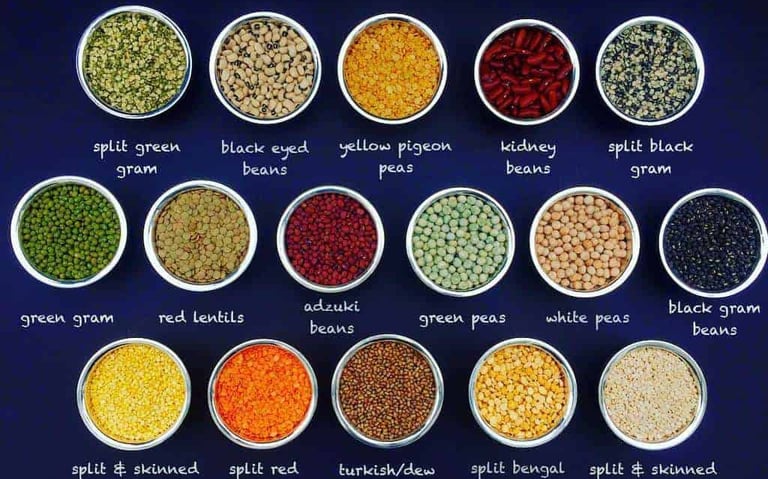
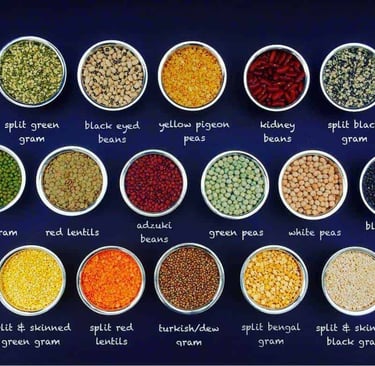
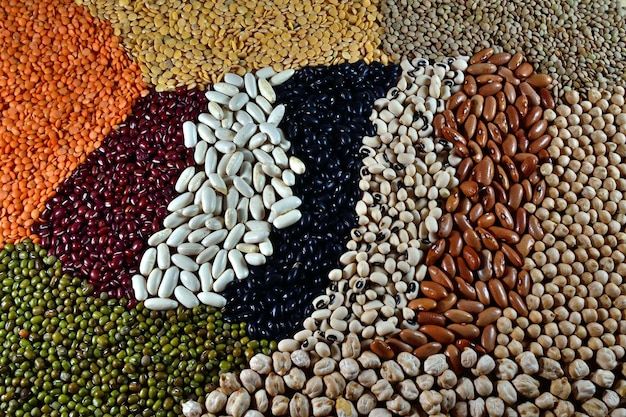
India exports a diverse range of pulses to meet global demand:
Chickpeas (Chana/Kabuli & Desi)
Red Lentils (Masoor – whole & split)
Green Gram (Moong – whole & dhal)
Black Gram (Urad – whole & dhal)
Pigeon Peas (Toor/Arhar)
Green and Yellow Peas
Both whole grains and split dals are shipped to cater to food processing, retail, and culinary markets worldwide.
Nutritional Importance Driving Demand
Pulses are increasingly popular in international markets because of their:
Protein-rich composition: 20–25% protein
High fiber content: aids digestion and weight management
Essential minerals: iron, magnesium, zinc, and folate
Low-fat and gluten-free profile, making them perfect for modern, health-conscious consumers
Sustainability and Farming Advantages
Apart from nutrition, pulses also play a key role in sustainable agriculture:
They fix nitrogen in the soil, reducing fertilizer usage.
Require less water compared to many other crops.
Support crop rotation, improving soil fertility and biodiversity.
This makes them eco-friendly and aligned with global climate-smart agriculture initiatives.
Future Growth Opportunities
The global shift towards plant-based diets and sustainable foods is creating enormous opportunities for Indian exporters. Pulses are increasingly used in:
Ready-to-eat meals
Plant-based protein powders
Healthy snacks and flours
Ethnic food industries worldwide
With strong government support, improved logistics, and rising demand, India’s pulse exports are poised for steady growth in
the coming years.
Pulses Export Statistics from India (2023–24)
Parameter Details Total Production ~244.93 lakh tonnesExport Volume ~626,654 metric tonnes(6.26 lakh MT)
Export Value USD 687 million (₹5,397.86 crores)
Top Export Destinations Bangladesh, UAE, USA, Sri Lanka, Nepal
Export Growth (2024) 729,000 MT (Jan–Dec 2024) vs 688,000 MT (2023)
6% increase Major Exported Pulses Chickpeas, Red Lentils, Green Gram, Black Gram, Pigeon Pea, Peas
Global Share India contributes ~25% of world pulse production
Sustainability Impact Nitrogen-fixing crop, low water usage, eco-friendly farming
You can contact us on the details Given Below
ph no: +91 91008 40818
+91 76740 40818
Gmail: Sales@ajglobaltrade.in